









Ask any advisor what kills a disability insurance sale, and price rarely tops the list. What kills it is friction: the paramedical exam that has to be scheduled around the client’s shift work, the follow-up questions from underwriting three weeks later, the client who was motivated in the room and lukewarm by the time a decision finally comes back. You did the hard part, you got them to say yes. Then the process took that “yes” and let it cool for a month.
The real cost of a slow underwriting cycle
Traditional disability insurance underwriting was built for thoroughness, not speed, and there are good reasons for that in a lot of cases. But thoroughness has a cost, and that cost isn’t just measured in weeks. It’s measured in the deals that quietly disappear between the application and the policy delivery.
Every advisor has felt this pattern: a strong meeting, a signed application, and then silence while the file sits in underwriting. During that silence, life happens. The client changes jobs, has a change of heart, gets approached by a competitor, or just stops returning calls. None of that reflects on your pitch. It reflects on a process that gave the client’s enthusiasm time to fade.
What changes when approval takes minutes, not weeks
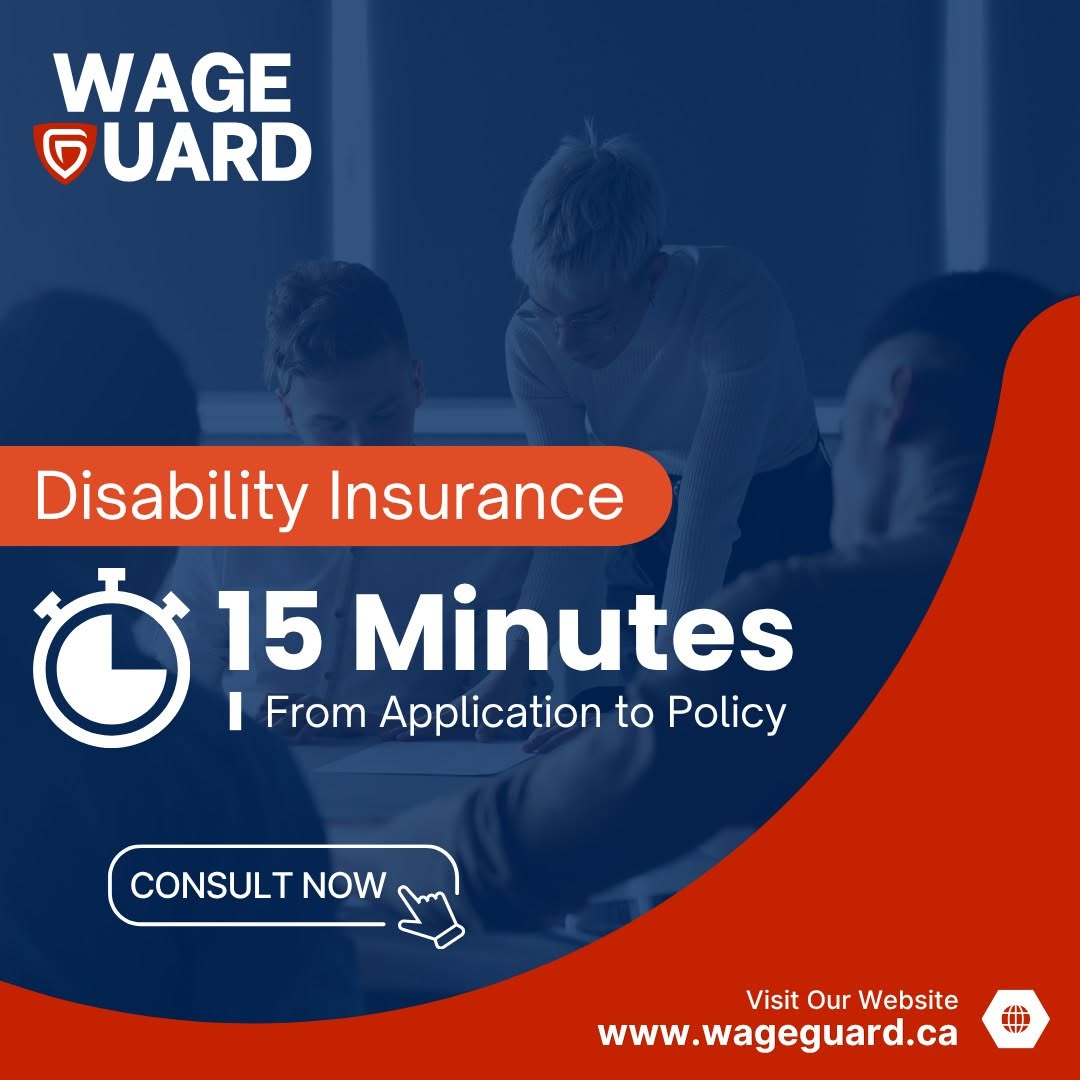
Wage Guard’s accident-only disability product is built around a roughly 15-minute application, with no medical exam or fluid testing and a single health question standing in for the multi-step paramedical process. For the advisor, that compresses the entire sales cycle into a single sitting: needs conversation, application, and approval, often before you’ve left the room or ended the call.
A client who says yes and gets covered in the same meeting doesn’t have time to talk themselves out of it.
That speed does more than protect the sale. It changes how the meeting itself feels. Instead of positioning disability coverage as a process the client has to commit to and wait on, you’re positioning it as a problem you can solve for them right now. That’s a fundamentally easier conversation to have, and it’s one that plays especially well with self-employed clients, tradespeople, and gig workers who don’t have the patience or the predictable schedule for a drawn-out underwriting process.
Speed builds the case, but the product has to hold up
Fast issue only matters if what’s behind it is worth having, and the coverage itself is built to be easy to explain in the same meeting it’s approved in:
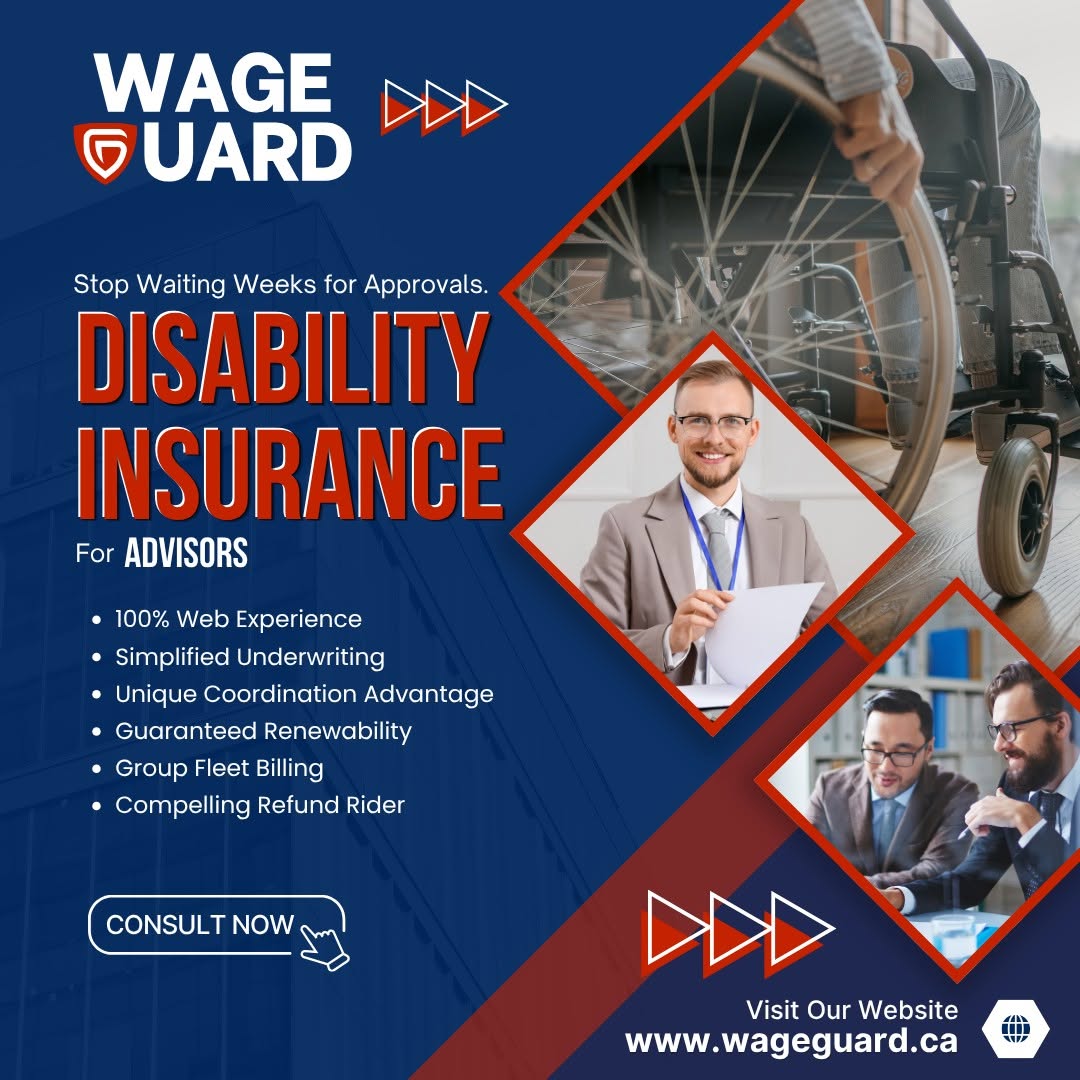
- No coordination of benefits for the first 36 months on coverage up to $2,500/month, so the client isn’t stuck untangling how this policy interacts with other benefits. BULLET: A built-in death benefit of up to $10,000 and a premium waiver if the client becomes disabled, so you’re not selling a bare-bones policy, you’re selling a package. BULLET: An optional 20-year refund rider that returns up to 100% of premiums paid if no claim is made, which answers the “what if I never use it” objection before the client raises it. BULLET: Renewals to age 100, so this isn’t a policy the client will have to replace or requalify for in ten years.
- A fast approval process that leads to a thin policy is a short-term win. A fast approval process backed by real, explainable value is a referral engine.
Where this shows up in your funnel
Most advisors think about speed-to-issue as a client-experience feature, but it’s worth tracking as a funnel metric too. If you look honestly at where deals stall in your own pipeline, underwriting wait time is very often the biggest single point of drop-off bigger than initial objections, bigger than price shopping. Clients rarely call to formally cancel an application; they just stop answering, and by the time you notice, the file has gone cold.
Compressing that wait time doesn’t just save individual deals, it changes the shape of your funnel. Fewer applications sit in limbo, which means less of your week goes to chasing status updates and re-engaging lukewarm prospects, and more of it goes to conversations with people who haven’t heard your pitch yet. Over a quarter, that shift compounds.
What this means for how you run your day
If your calendar is built around the old rhythm of first meeting, follow-up, application, wait for underwriting, close accident-only DI gives you room to compress that into fewer touches per client, which means more capacity for new conversations without adding hours to your week. It also changes what “closing” looks like in a way that’s easier on the client relationship: instead of asking someone to commit to a process, you’re asking them to make one decision, and then showing them it’s already done.
There’s a downstream effect here too. Clients remember how a purchase felt, not just what they bought. A client who leaves a meeting with active coverage in hand, rather than a pending application and a vague timeline, is a client who talks about the experience to a spouse, a coworker, or a business partner. That word-of-mouth is hard to manufacture with a slow, paperwork-heavy process, and it comes almost for free with a fast one.
The bottom line for your practice
Underwriting speed isn’t just a convenience feature, it’s a sales tool. Every week a file sits in review is a week your close rate quietly erodes. An accident-only product built for same-day approval doesn’t just make the paperwork easier; it protects the “yes” you already earned in the room, tightens the biggest leak in your funnel, and frees you up to spend more of your week in front of new clients instead of following up on old applications.